

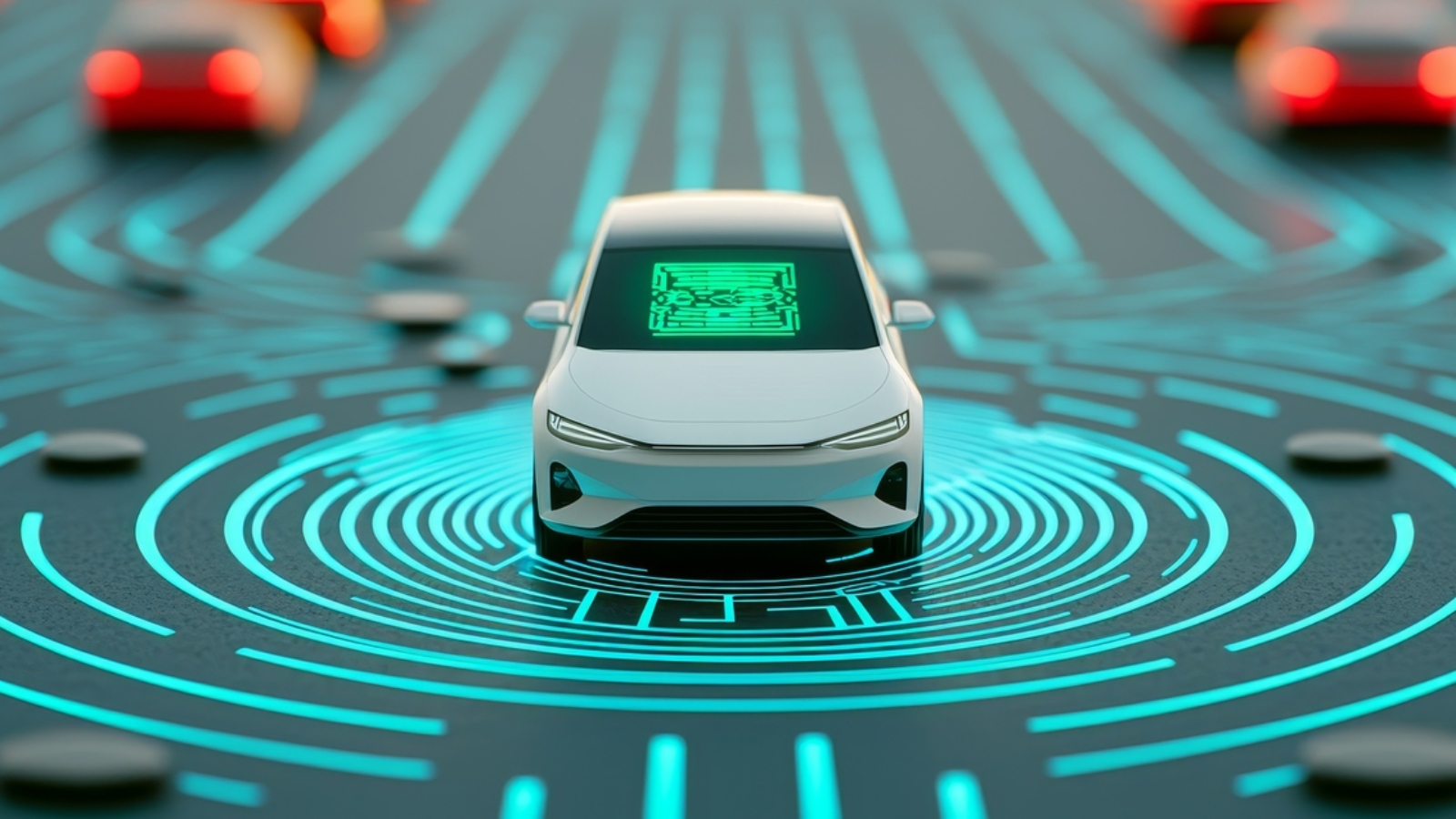
The relationship between transportation and insurance is evolving as vehicles gain more automated capabilities, digital systems become increasingly connected, and mobility services introduce alternatives to traditional private ownership. These changes raise important questions about responsibility, risk assessment, privacy, and the way financial losses may be handled after an accident.
The future is unlikely to be defined by one technology or one universal insurance model. Instead, it will emerge through the interaction of vehicle engineering, regulation, consumer behavior, and the practical experience of managing claims.
Automation Exists on a Spectrum
The term “autonomous vehicle” can create the impression that a car independently manages every driving situation. In practice, automated driving capabilities vary considerably.
Some systems provide warnings or assist with specific tasks, such as maintaining distance from another vehicle. More advanced systems can control multiple aspects of driving under defined conditions. Their operating boundaries may depend on road type, speed, weather, mapping, sensor performance, and other requirements.
The distinction between assistance and automation is important because responsibility depends partly on what the system is designed and authorized to do. Drivers must understand when they are expected to monitor the road, respond to warnings, or take control.
Responsibility May Become More Complex
In a conventional accident, an investigation may focus on driver behavior, road conditions, vehicle condition, and other established factors. Automated systems introduce additional questions.
Investigators may need to determine whether a sensor detected an obstacle, whether software interpreted the information correctly, whether a driver ignored a warning, or whether a component malfunctioned. A single incident may involve several contributing factors.
This does not mean that responsibility automatically shifts from drivers to manufacturers. Liability depends on the circumstances, applicable law, available evidence, and the roles of the parties involved.
As vehicle automation develops, insurance procedures may need to account for a wider range of technical evidence.
Software Becomes Part of Vehicle Reliability
Traditional vehicle maintenance focuses heavily on mechanical components. Connected and automated vehicles also depend on software, sensors, communication systems, and electronic control units.
Software updates may introduce improvements or address known vulnerabilities, but they can also change system behavior. Manufacturers and service providers must manage updates carefully, while vehicle owners should follow relevant instructions and pay attention to safety notices.
Cybersecurity is another consideration. Unauthorized access to connected systems can create privacy risks and, in certain circumstances, concerns about vehicle operation. Secure software design, authentication, and responsible vulnerability management are therefore relevant to transportation safety.
Data Could Reshape Claim Investigations
Connected vehicles may record information about speed, braking, steering inputs, sensor detections, and system status. When available and legally accessible, these records can help reconstruct the moments leading up to an incident.
More detailed data may make some investigations more precise, but it also creates questions about consent, ownership, retention, and access. Information that is useful for understanding an accident may also reveal travel patterns or other sensitive details.
A responsible approach requires clear rules about what is collected, why it is needed, and how it can be used.
Shared Mobility Changes Exposure
Car-sharing services, subscription arrangements, and mobility platforms can change how people access vehicles. Instead of one owner using one car, a vehicle may be operated by different people or managed by a service provider.
These arrangements can complicate questions about who is insured, when coverage applies, and which party is responsible for particular losses. The details depend on the structure of the service and the contractual relationships involved.
As shared mobility expands, insurance arrangements may increasingly need to reflect temporary access, multiple users, and different patterns of vehicle utilization.
The Road Ahead
Future insurance systems may use more connected data, more automated assessment tools, and increasingly specialized coverage structures. However, progress will depend on more than technical capability. Reliability, transparency, legal clarity, privacy protection, and public confidence will remain essential.
Even in a highly automated transportation environment, accidents, equipment failures, extreme weather, and unexpected events will not disappear entirely. Financial protection will continue to play a role, although the way risks are measured and responsibilities are assigned may change.
The most useful way to understand this future is not as a sudden replacement of traditional insurance, but as a gradual transformation. As mobility evolves, insurance will need to adapt to new technologies while preserving its central purpose: defining financial responsibilities when uncertain events lead to loss.
Чи була ця розмова корисною для вас дотепер?