

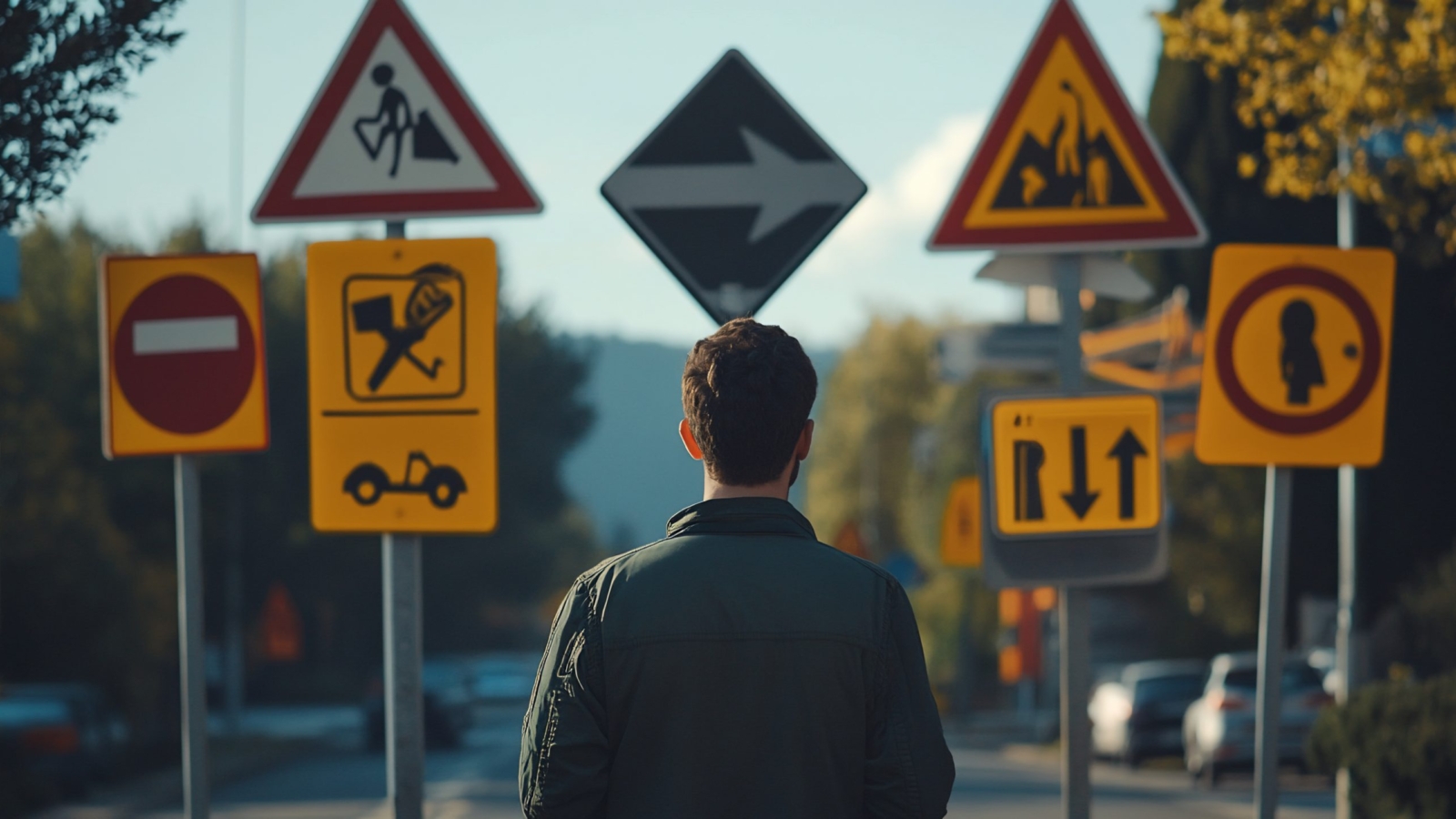
Traffic operates through a combination of formal regulations and informal patterns of cooperation. Signals, signs, lane markings, and right-of-way rules establish the legal framework, but the everyday movement of vehicles also depends on anticipation, communication, and predictable behavior.
When drivers understand how their actions affect surrounding traffic, roads can function more smoothly. When expectations conflict, even a relatively minor misunderstanding can create congestion or increase the risk of a collision.
Predictability Is a Form of Communication
Every movement behind the wheel communicates information. A turn signal indicates an intended direction, braking lights warn following drivers that speed is decreasing, and positioning within a lane can reveal an approaching maneuver.
These signals work only when they are used consistently and interpreted with care. A turn signal does not automatically grant priority, and other road users may not always notice it.
Drivers should signal in advance, check that a maneuver is safe, and avoid sudden changes in direction. Predictable movement gives others more time to understand what is happening and adjust their own behavior.
Merging Requires Cooperation
Merging becomes difficult when vehicles compete for limited space. Some drivers accelerate aggressively to enter a gap, while others deliberately prevent nearby vehicles from joining the lane.
A smoother approach involves adjusting speed, observing available space, and allowing traffic to merge where appropriate. On roads designed for zipper merging, vehicles from adjoining lanes may alternate as the lanes converge, helping distribute traffic more evenly when drivers cooperate.
The exact procedure depends on road markings, signs, and local rules. Drivers should follow the applicable requirements rather than assuming one merging method is appropriate everywhere.
Large Vehicles Need Different Consideration
Trucks, buses, and vehicles towing trailers have different handling characteristics from passenger cars. They may require more room to turn, need longer distances to stop, and have larger blind spots.
Cutting closely in front of a heavy vehicle can leave its driver with insufficient distance to react. Remaining beside a turning truck can also create danger if the trailer moves across the space occupied by another vehicle.
Giving large vehicles additional room is not simply courteous. It reflects the physical limitations of vehicle size, mass, and maneuverability.
Pedestrians and Cyclists Need Space
Road users who are not protected by a vehicle's structure are especially vulnerable in a collision. Drivers should scan for pedestrians near crossings, watch for cyclists approaching from behind, and check blind spots before turning or opening a vehicle door.
The risk can be higher when visibility is restricted by parked vehicles, darkness, rain, or roadside obstructions.
A driver's responsibility extends beyond avoiding direct contact. Reducing speed near vulnerable road users and leaving appropriate passing distance can help prevent situations in which another person must make a sudden evasive maneuver.
Why Road Rage Makes Problems Worse
Traffic frustration often arises when expectations are violated. A delayed merge, an unexpected stop, or a driver moving more slowly than anticipated can trigger an emotional response.
Responding aggressively rarely improves the situation. Tailgating, blocking another vehicle, making threatening gestures, or deliberately escalating a disagreement can turn a manageable inconvenience into a dangerous encounter.
Maintaining distance and allowing a conflict to pass without retaliation are practical ways to protect everyone involved.
Courtesy Does Not Replace the Rules
Cooperation is valuable, but excessive courtesy can also create confusion. For example, unexpectedly stopping to wave another vehicle through may conflict with the movement of pedestrians or traffic in another lane.
The safest behavior is generally clear, legal, and predictable. Drivers should follow signals and right-of-way requirements while remaining alert to circumstances that may require additional caution.
A well-functioning road environment is built from thousands of small interactions. Consistent signaling, appropriate spacing, respect for vulnerable road users, and emotional restraint help make those interactions safer.
Traffic does not require every driver to think identically. It requires people to understand the shared system, communicate their intentions, and leave enough room for others to respond.