

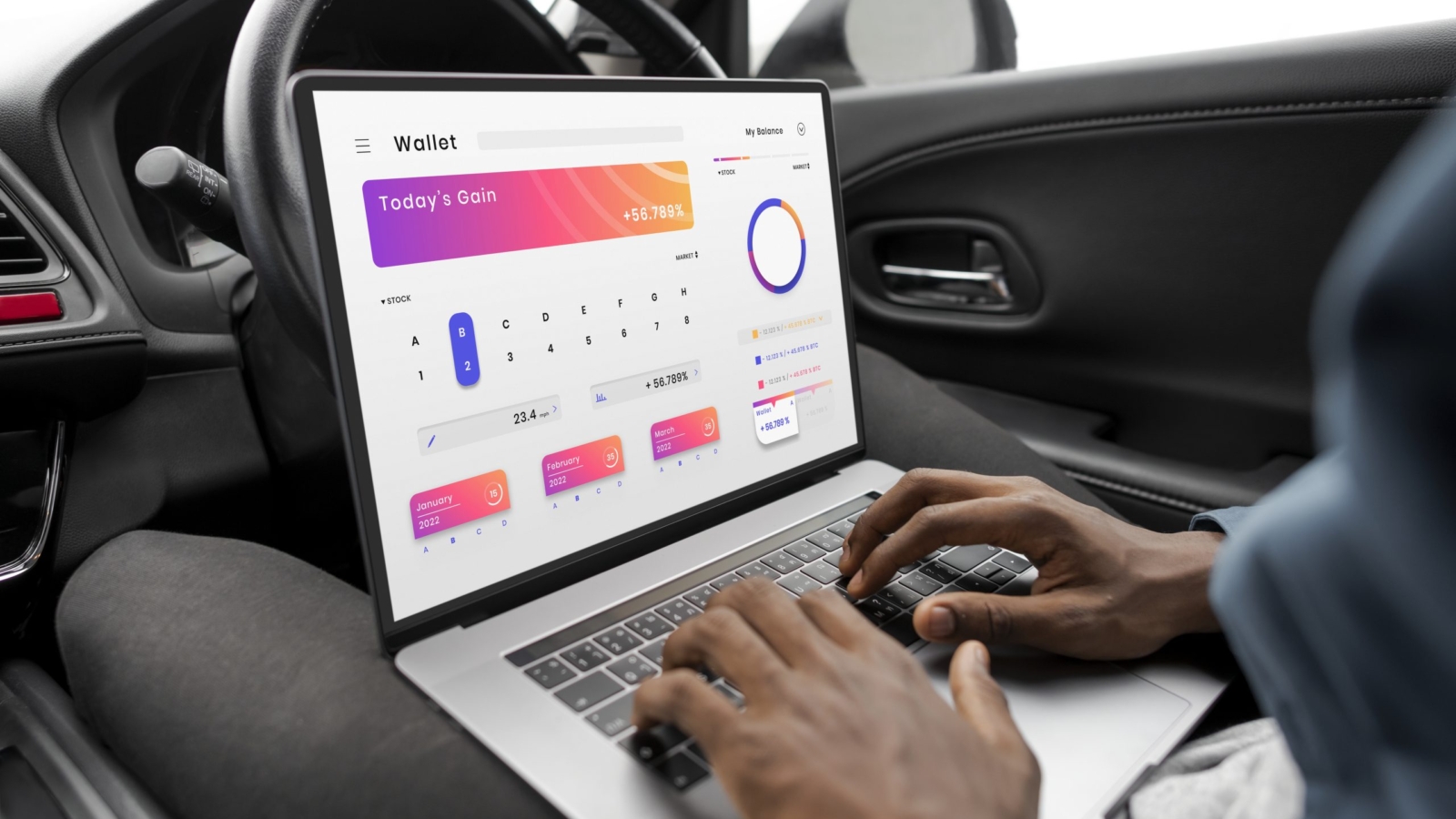
The modern automobile is no longer defined solely by its engine, transmission, and mechanical components. Software now influences how vehicles accelerate, manage energy, detect obstacles, display information, and communicate with drivers. What once served as a collection of independent mechanical systems is increasingly becoming an interconnected digital platform.
This transformation is changing not only how vehicles are engineered but also how people experience driving. A dashboard can receive software updates, a vehicle can monitor its own systems, and driver-assistance technologies can interpret information from cameras and sensors in fractions of a second.
Software Is Moving Into the Driver's Seat
Electronic control units have long managed essential functions such as engine operation, braking, and stability control. Newer vehicle architectures increasingly integrate these functions through more centralized computing systems.
This approach can simplify communication between components and make certain software improvements easier to implement. Instead of replacing an entire physical component to introduce a new capability, manufacturers may sometimes deliver changes through software.
However, software-defined vehicles require careful development and testing. A software error can affect functions that drivers depend on, making reliability, cybersecurity, and compatibility important engineering priorities.
The Dashboard Is Becoming an Information Center
Traditional instrument panels focused on a small number of essential readings. Modern interiors may combine digital instrument clusters, central touchscreens, voice controls, navigation displays, and connected entertainment systems.
These interfaces can provide useful information, but they also introduce a design challenge. Every additional notification or menu creates another potential source of distraction.
Good automotive interface design should prioritize essential information, use clear visual hierarchy, and minimize the number of steps required to complete common tasks. Drivers should not need to search through several screens to adjust a basic setting while moving.
Voice interaction and steering-wheel controls can reduce some manual demands, although they do not eliminate the cognitive distraction associated with complex tasks.
Updates Without a Workshop Visit
Over-the-air software updates allow compatible vehicles to receive certain improvements through a wireless connection. Depending on the manufacturer and vehicle architecture, updates may address infotainment functions, navigation data, system performance, or selected electronic features.
Not every component can be updated remotely, and some repairs still require physical inspection or specialized equipment. Software updates also need appropriate safeguards to prevent interruptions, incompatibility, or unauthorized modifications.
Drivers should follow manufacturer instructions and understand when a vehicle must remain parked during an update.
Connectivity Creates New Responsibilities
Connected vehicles can exchange information with mobile applications, cloud services, charging networks, and other digital platforms. These capabilities may support remote diagnostics, vehicle-status monitoring, and personalized settings.
At the same time, connectivity raises questions about personal information. Vehicle data may reveal travel patterns, usage habits, and other details that owners may not expect to share.
Understanding privacy settings, account permissions, and data-sharing practices is becoming part of responsible vehicle ownership.
The Balance Between Innovation and Simplicity
Digital technology can make vehicles more capable, but additional complexity does not automatically create a better driving experience. A system is valuable when it works reliably, communicates clearly, and supports the driver's actual needs.
The next stage of automotive development will depend on integrating software without losing sight of the fundamentals: predictable vehicle behavior, intuitive controls, dependable performance, and safety.
The car of the future may resemble a sophisticated computer, but its most important job will remain unchanged. It must transport people reliably while helping them stay informed, attentive, and in control.