

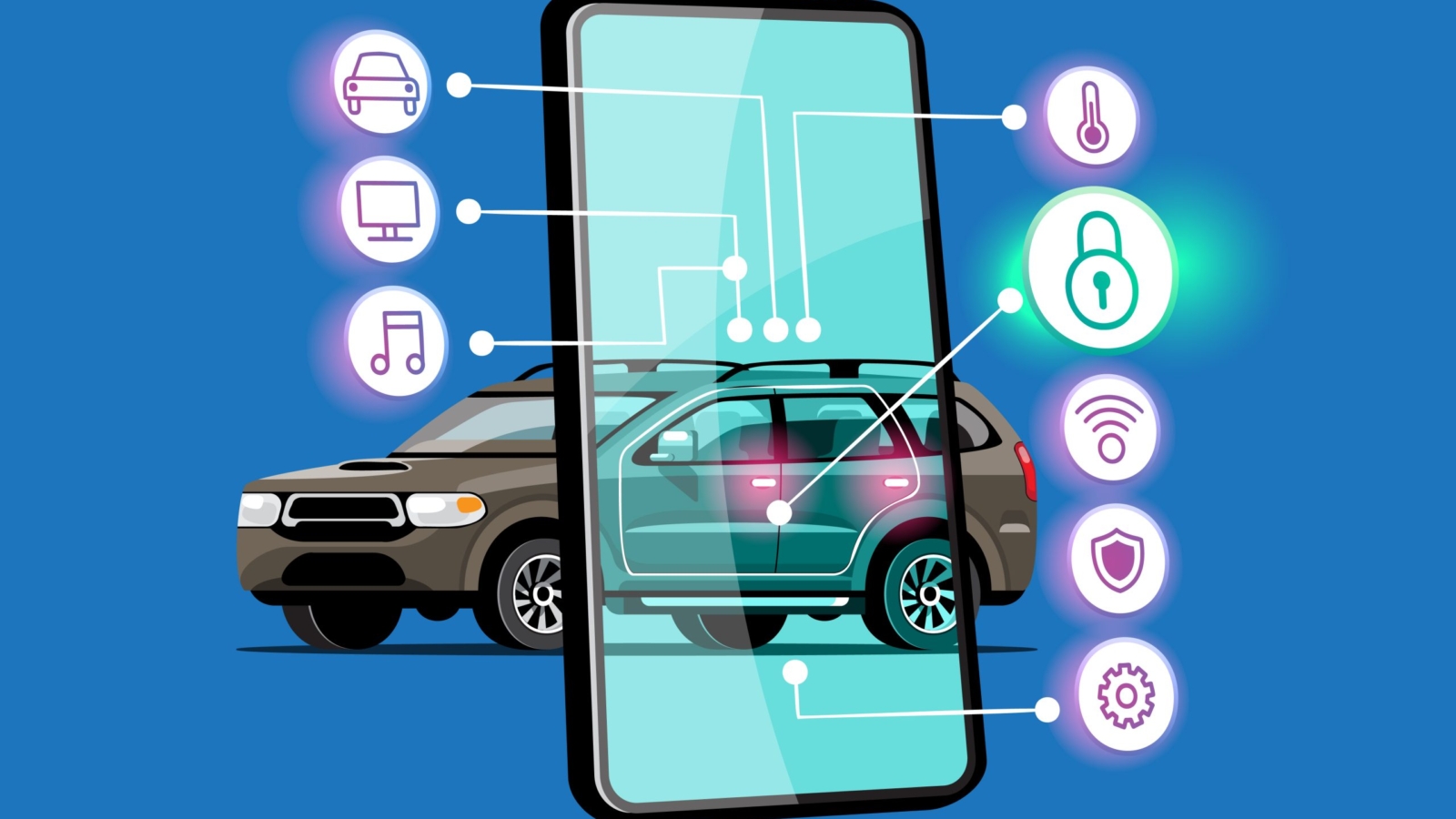
Modern vehicles increasingly resemble connected computing systems on wheels. Cameras, radar, ultrasonic sensors, onboard processors, and digital communication systems now support functions that were once performed entirely by drivers. These developments are changing how vehicles detect hazards, how accidents are investigated, and how insurers may evaluate certain risks.
However, technology does not eliminate uncertainty. Its influence depends on system design, operating conditions, driver behavior, and the quality of available information.
Driver-Assistance Systems and Collision Prevention
Advanced driver-assistance systems can help drivers recognize potential hazards. Depending on the vehicle, these features may include automatic emergency braking, lane-departure warnings, blind-spot monitoring, adaptive cruise control, and parking assistance.
Some systems warn the driver, while others can intervene in specific circumstances. Their capabilities differ significantly between models and even between versions of the same model.
Sensors may struggle with heavy rain, snow, glare, obscured markings, or unusual road layouts. A camera-based system may interpret a scene differently when visibility is poor, while radar and other sensors have their own operational limitations.
These technologies are designed to support attention rather than replace it. Drivers remain responsible for understanding the vehicle's capabilities and maintaining appropriate control.
Repair Complexity Is Increasing
A minor collision may involve more than replacing a damaged bumper or repairing a dent. Cameras, radar units, parking sensors, and other components can be integrated into exterior panels or structural areas.
After certain repairs, calibration may be necessary to ensure that safety systems interpret their surroundings correctly. A vehicle can appear visually repaired while still requiring additional technical work.
This complexity can affect repair time, parts requirements, labor, and the total cost of a claim. The relationship between vehicle technology and insurance expenses is therefore not straightforward: a safety feature may help prevent some accidents while increasing the cost of repairing damage when an incident does occur.
Telematics and Driving Data
Telematics systems collect information about vehicle operation through onboard devices, mobile applications, or connected-car technology. Depending on the system, data may include mileage, acceleration, braking patterns, driving times, or location-related information.
Some insurers use telematics programs to assess driving behavior or tailor insurance arrangements. The specific data collected, how it is interpreted, and whether participation affects pricing depend on the program.
Privacy is an important part of this discussion. Drivers should understand what information is collected, how long it is retained, who can access it, and whether it may be shared for additional purposes.
Data quality also matters. A sudden braking event may reflect unsafe following distance, but it could equally represent an appropriate response to an unexpected hazard. Individual measurements do not always provide enough context to explain a driver's decision.
Artificial Intelligence in Claims Assessment
Artificial intelligence can assist with tasks such as sorting documents, identifying visible vehicle damage in images, detecting unusual patterns, and organizing claim information. These tools may help insurers process large volumes of information more efficiently.
Yet automated systems can make mistakes. Poor image quality, uncommon vehicle designs, incomplete records, and unusual accident circumstances can affect results. Complex decisions may still require human review, particularly when evidence conflicts or the consequences for a policyholder are significant.
A More Connected Insurance Landscape
As vehicles become more sophisticated, insurance increasingly intersects with engineering, software, data governance, and cybersecurity. Drivers may need to consider not only a vehicle's mechanical condition but also its electronic systems and repair requirements.
The central challenge is balance. Technology can improve detection, provide valuable evidence, and support more informed assessments. Its benefits are strongest when systems remain transparent, limitations are understood, and human judgment continues to play an appropriate role.